Kurukopru

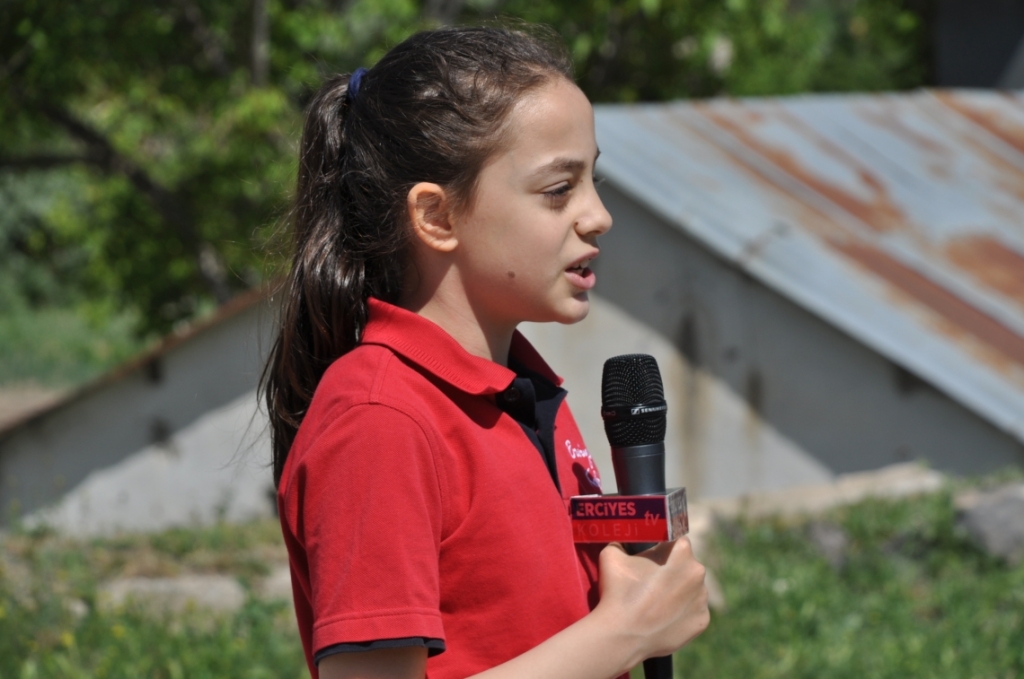
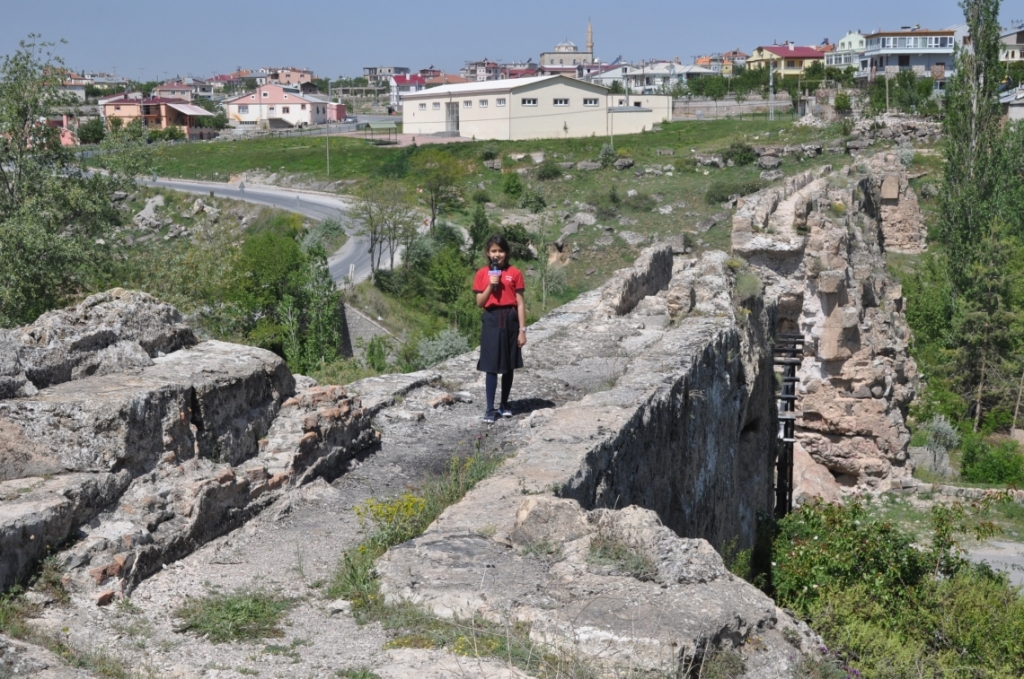
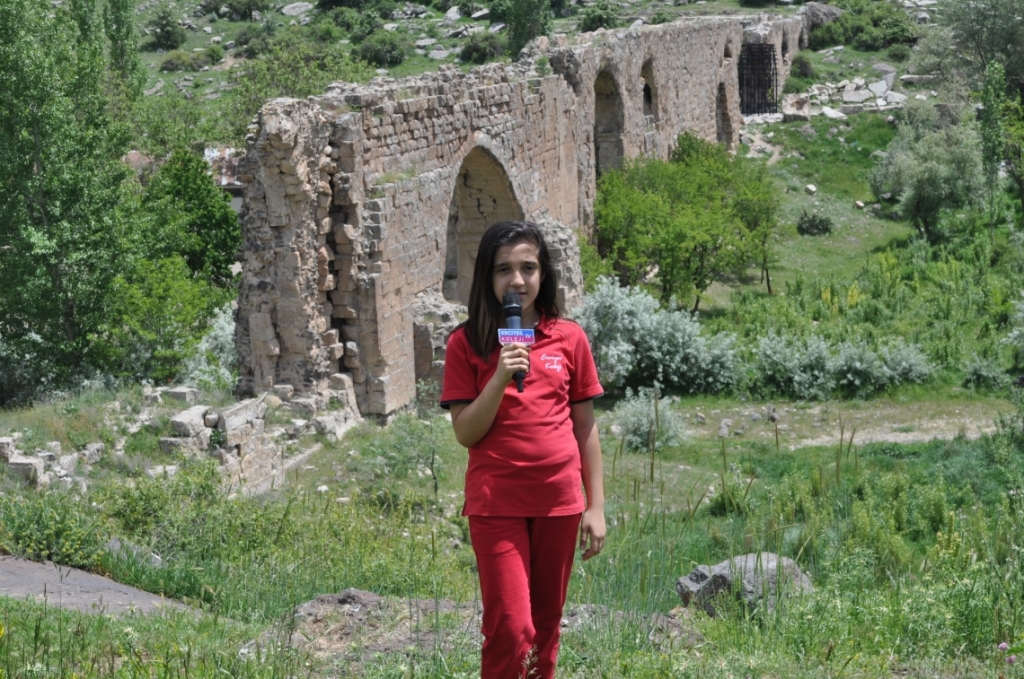
Anatolian geography has hosted many cultures for centuries. There are many cities that contain this cultural richness of Anatolia. The city of Kayseri is also a very rich residential area in terms of historical artifacts. As the Erciyes College family, we have visited the Dry Bridge, one of the historical buildings in Kayseri.
The Dry Bridge Arch was built in order to transport the water coming from Gürpınar Village, which meets the water needs of our city, to Kayseri during the Byzantine Empire period. The water coming out of the Gürpınar Village reaches the valley by passing through the water channels carved into the rocks.
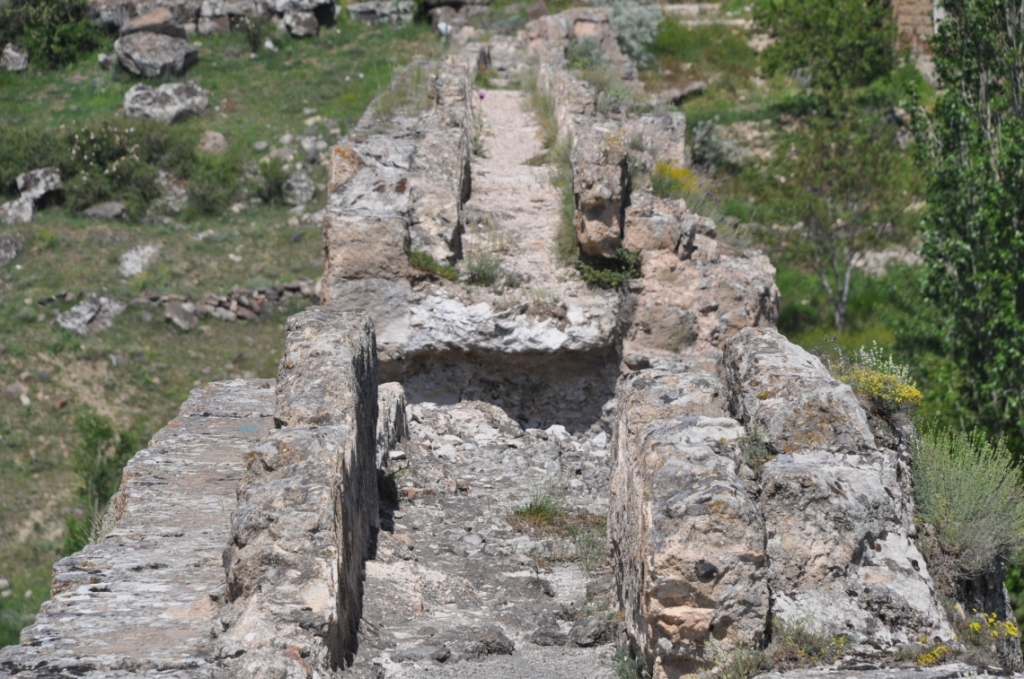
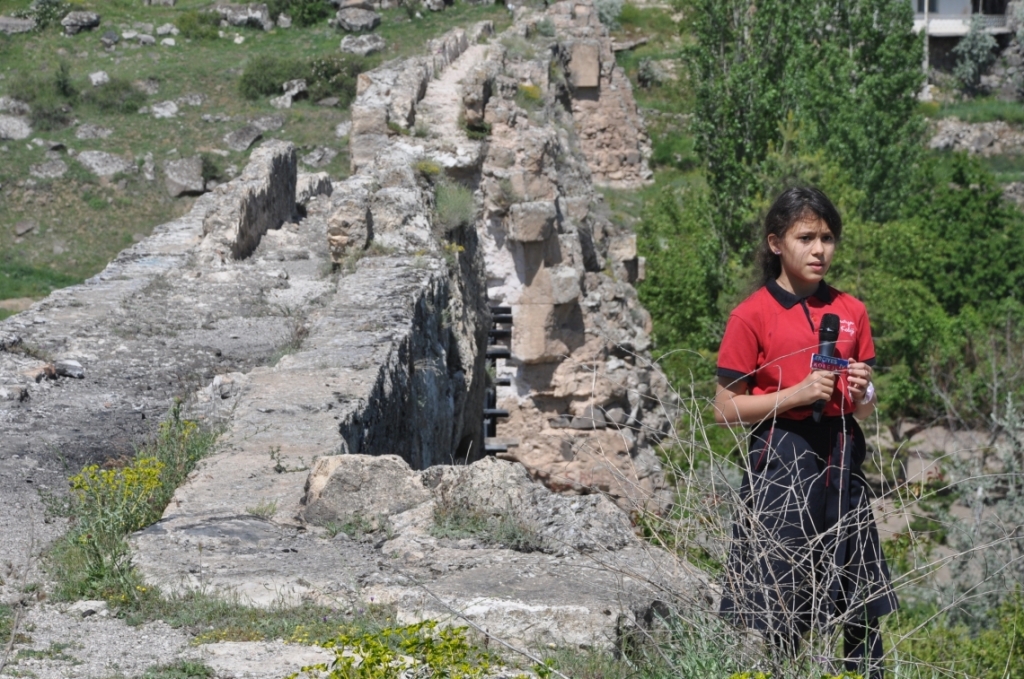
The water, reaching the valley, passes from the gutter on the bridge that connects the two slopes of the valley, to the opposite slope of the valley, and reaches Eski Kayseri, Mazaka, by sometimes flowing through channels made by carving the rocks and sometimes through channels made of cut stone.
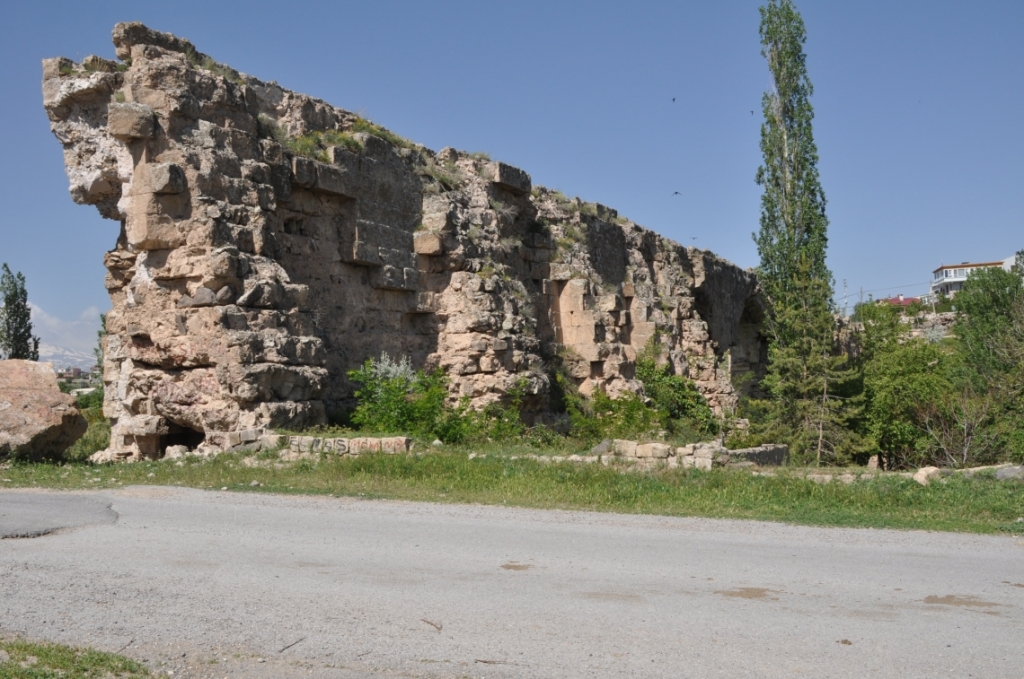
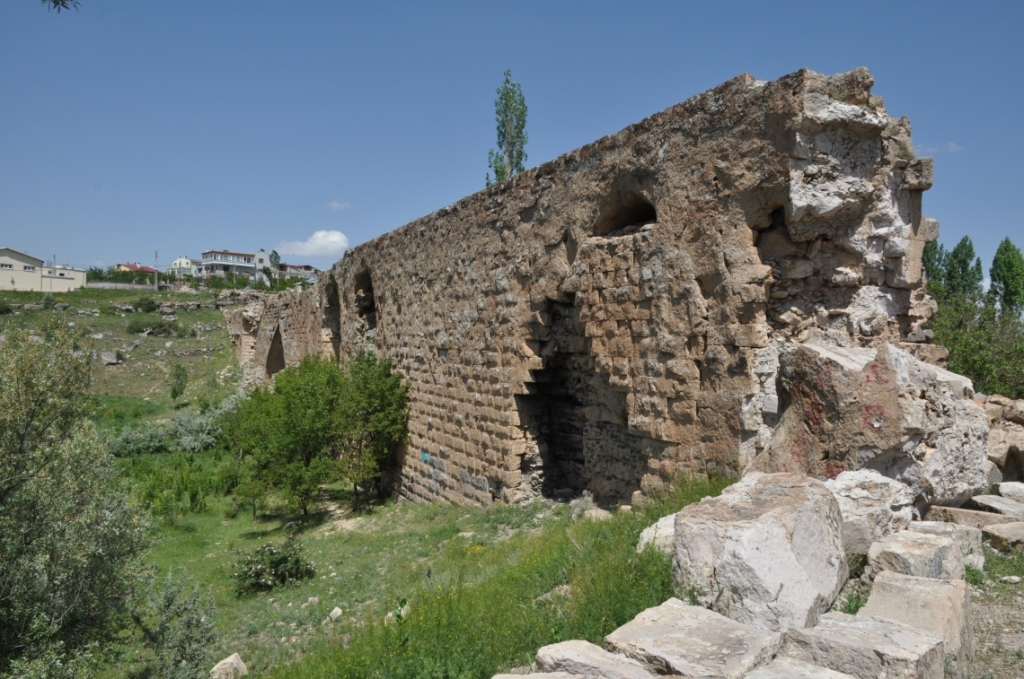
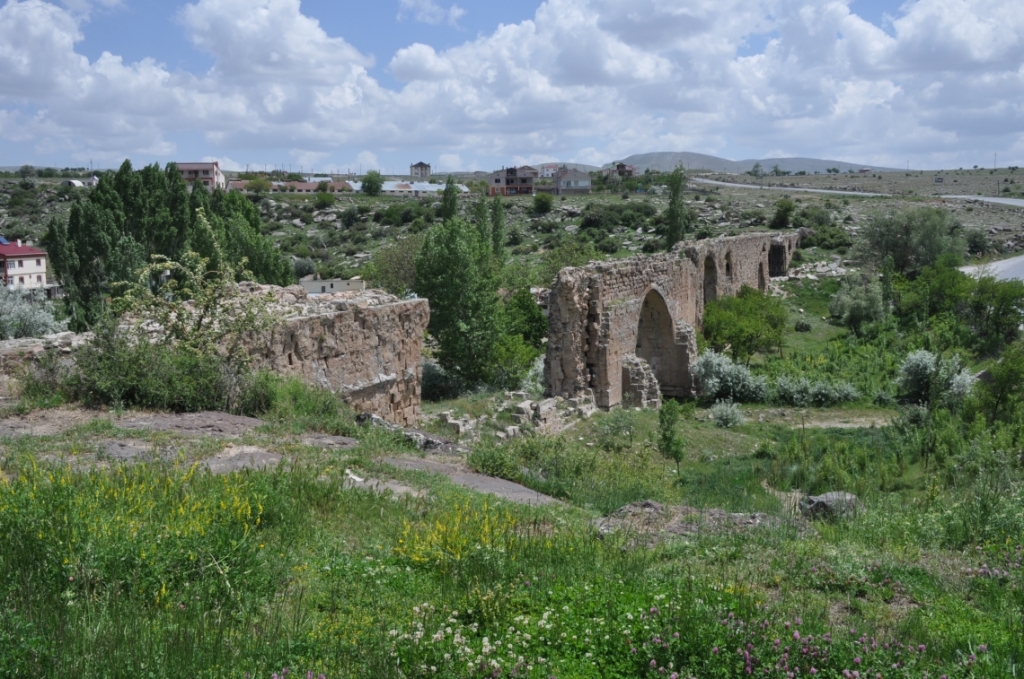
The aqueduct was built in the creek bed connecting the valley called Gömüderesi, in the east-west direction, with a length of 172 meters and an average height of 16 meters. The exterior of the aqueduct is made of smooth cut stone, rough cut stone and chipped stone; inner parts are made of rubble stones. The northern façade is supported by stone walls in the form of bracing.
When the aqueduct is compared with the materials used, its architectural structure and similar examples in Istanbul and Anatolia, the VIII. The idea that it must have been built by the Byzantines in the century is gaining weight. The side walls of the water channel on the bridge, which is in a dilapidated state today, have collapsed.
The Dry Bridge Arch was built in order to transport the water coming from Gürpınar Village, which meets the water needs of our city, to Kayseri during the Byzantine Empire period. The water coming out of the Gürpınar Village reaches the valley by passing through the water channels carved into the rocks.
The water, reaching the valley, passes from the gutter on the bridge that connects the two slopes of the valley, to the opposite slope of the valley, and reaches Eski Kayseri, Mazaka, by sometimes flowing through channels made by carving the rocks and sometimes through channels made of cut stone.
The aqueduct was built in the creek bed connecting the valley called Gömüderesi, in the east-west direction, with a length of 172 meters and an average height of 16 meters. The exterior of the aqueduct is made of smooth cut stone, rough cut stone and chipped stone; inner parts are made of rubble stones. The northern façade is supported by stone walls in the form of bracing.
When the aqueduct is compared with the materials used, its architectural structure and similar examples in Istanbul and Anatolia, the VIII. The idea that it must have been built by the Byzantines in the century is gaining weight. The side walls of the water channel on the bridge, which is in a dilapidated state today, have collapsed.
Erciyes College Social Studies Department
Note: Generations Gathering Project has been carried out since 2016 by the secondary school social studies department and students, as a unique work for Erciyes College. You can click to watch the video narration of this project with the comments of our students.