Mimar Sinan House

Mimar Sinan, one of the world's greatest building artists, was born in the Ağırnas District of Kayseri in 1489 as the son of an Armenian or Greek family. He lived here until the age of 21 and died in Istanbul in 1588.
Kocasinan, who has been the chief architect in the Ottoman Empire for nearly 50 years, has made his name known all over the world with his works. If it wasn't for Ağırnas, I wouldn't be either. He also expressed his gratitude for the place where he was born by saying that my village raised me.
If it wasn't for Ağırnas, I wouldn't be either. Today we are where the village says it raised me. The Ağırnas neighborhood of Kayseri, where Mimar Sinan, who made his mark in world history with his uniquely beautiful works, was born and spent his youth. It contains important examples of stonework in the region.
In Ağırnas, the place where the intellectual infrastructure of the historical works that Mimar Sinan was born, grew up and left in many places developed, Turks, Armenians and Greeks lived in unity and solidarity in brotherhood for years, and the mosques and churches on the same street are side by side, showing the best example of tolerance in the Ottoman Empire.
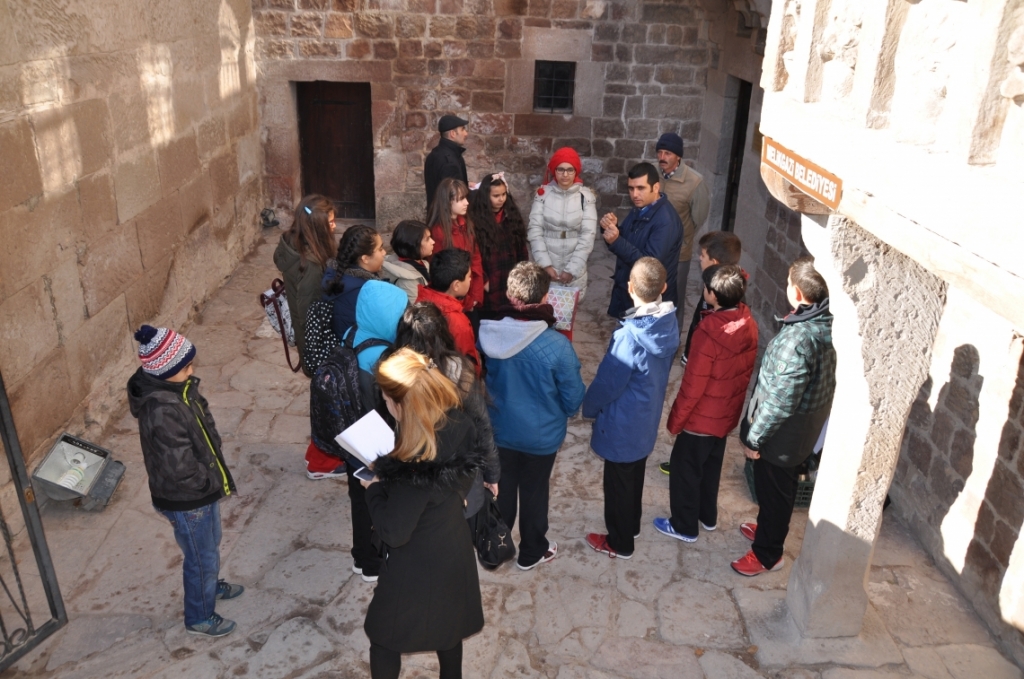
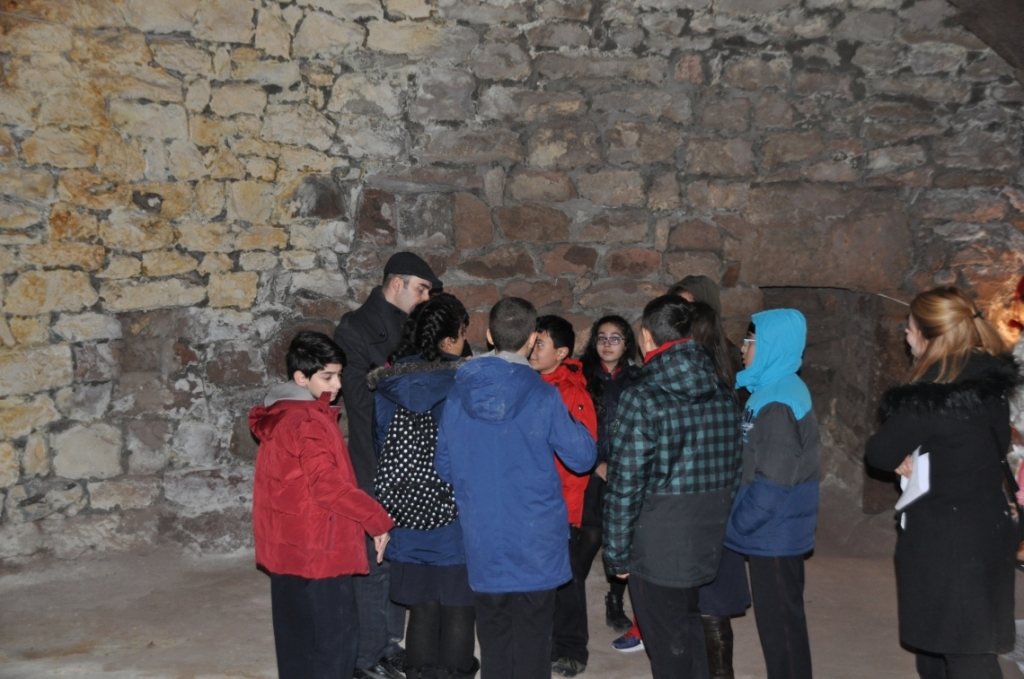
Now we are at Mimar Sinan's house. Professor Doctor Afet Inan located the house where Sinan was born and grew up in the 1950s. With the Sinan House project, which was initiated by the Ministry of Culture upon the demands of Ağırnas Municipality, that mysterious texture under the ground was cleaned and the historical structure in the place where our famous architect lived was restored and presented to future generations.
The house has an interesting architecture. Some parts of it are carved into the rocks like their counterparts in Cappadocia.
The ground floor of the house where Mimar Sinan was born opens to rooms and the underground city with wide galleries at the entrances of which arches stand out. Almost all of the historical mansions in Ağırnas are connected to each other by a complex underground city consisting of tunnels and living spaces resembling a labyrinth.
If we give information about some of the works of Mimar Sinan, his first important work is the Şehzade Mosque, which he called my apprenticeship work. Suleymaniye Mosque, which he calls his journeyman work, is considered to be his most magnificent work in Istanbul. Selimiye Mosque in Edirne is his work, which he presented as my masterpiece. Sinan built many mosques, madrasas, tombs, bridges and palaces in various parts of the country.
Among the works of the test that perfected the classical Ottoman Mosque architecture is the Harem-i Sharif in Mecca. Restoration of the mosque. There are Büyükçekmece Bridge, Tophane Amire, Çemberlitaş Bath, Haseki Hürrem Sultan Bath, Fındıklı Molla Çelebi, Mihrimah Sultan Mosque, Piyalepaşa, Klitori Pasha, Rüstem Pasha and Sokullu Mehmet Pasha Mosques in Istanbul.
The simple tomb of the architect, who lived a modest life, is in the Süleymaniye Mosque complex. Today we look with envy. Because we see that even today's architects, especially his works, mosques, bridges and caravanserais, have settled down to this day as a source of inspiration for their works.
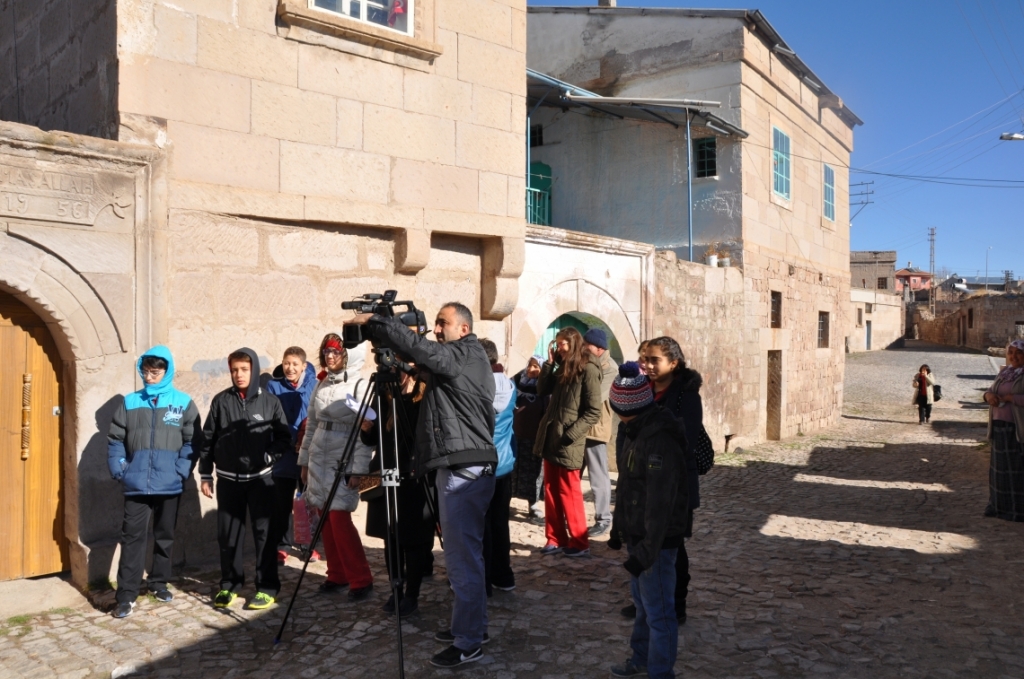
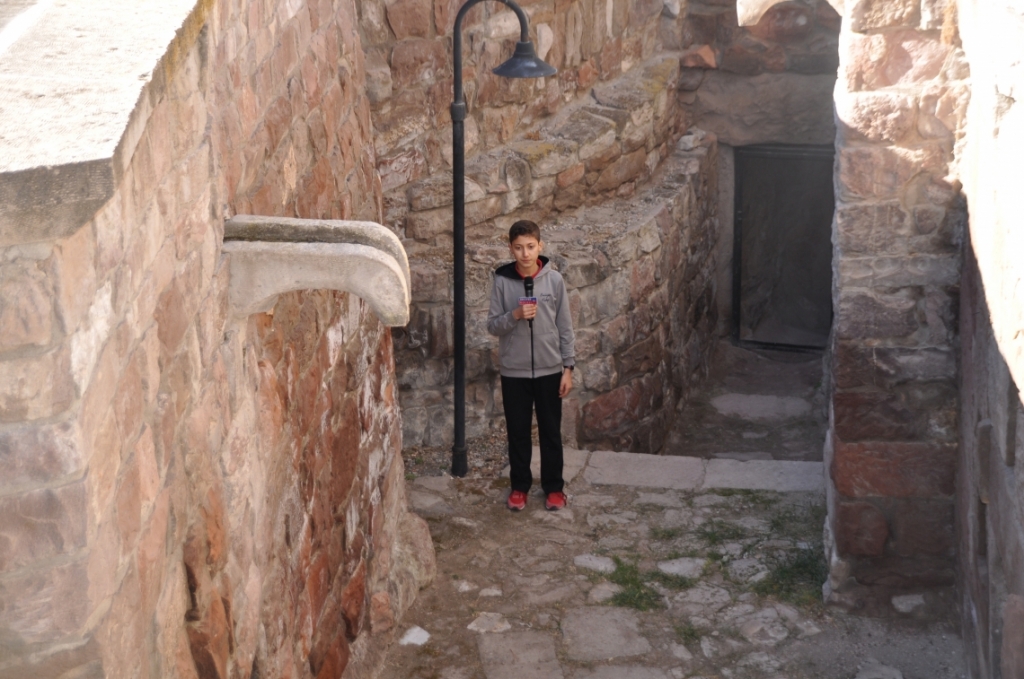
Today we are in front of Çeşme, one of the historical monuments that Mimar Sinan built for his village. We direct the microphone to Ahmet Bektaş, who has a lot of information about Mimar Sinan's house and Ağırnas.
Kocasinan, who has been the chief architect in the Ottoman Empire for nearly 50 years, has made his name known all over the world with his works. If it wasn't for Ağırnas, I wouldn't be either. He also expressed his gratitude for the place where he was born by saying that my village raised me.
If it wasn't for Ağırnas, I wouldn't be either. Today we are where the village says it raised me. The Ağırnas neighborhood of Kayseri, where Mimar Sinan, who made his mark in world history with his uniquely beautiful works, was born and spent his youth. It contains important examples of stonework in the region.
In Ağırnas, the place where the intellectual infrastructure of the historical works that Mimar Sinan was born, grew up and left in many places developed, Turks, Armenians and Greeks lived in unity and solidarity in brotherhood for years, and the mosques and churches on the same street are side by side, showing the best example of tolerance in the Ottoman Empire.
Now we are at Mimar Sinan's house. Professor Doctor Afet Inan located the house where Sinan was born and grew up in the 1950s. With the Sinan House project, which was initiated by the Ministry of Culture upon the demands of Ağırnas Municipality, that mysterious texture under the ground was cleaned and the historical structure in the place where our famous architect lived was restored and presented to future generations.
The house has an interesting architecture. Some parts of it are carved into the rocks like their counterparts in Cappadocia.
The ground floor of the house where Mimar Sinan was born opens to rooms and the underground city with wide galleries at the entrances of which arches stand out. Almost all of the historical mansions in Ağırnas are connected to each other by a complex underground city consisting of tunnels and living spaces resembling a labyrinth.
If we give information about some of the works of Mimar Sinan, his first important work is the Şehzade Mosque, which he called my apprenticeship work. Suleymaniye Mosque, which he calls his journeyman work, is considered to be his most magnificent work in Istanbul. Selimiye Mosque in Edirne is his work, which he presented as my masterpiece. Sinan built many mosques, madrasas, tombs, bridges and palaces in various parts of the country.
Among the works of the test that perfected the classical Ottoman Mosque architecture is the Harem-i Sharif in Mecca. Restoration of the mosque. There are Büyükçekmece Bridge, Tophane Amire, Çemberlitaş Bath, Haseki Hürrem Sultan Bath, Fındıklı Molla Çelebi, Mihrimah Sultan Mosque, Piyalepaşa, Klitori Pasha, Rüstem Pasha and Sokullu Mehmet Pasha Mosques in Istanbul.
The simple tomb of the architect, who lived a modest life, is in the Süleymaniye Mosque complex. Today we look with envy. Because we see that even today's architects, especially his works, mosques, bridges and caravanserais, have settled down to this day as a source of inspiration for their works.
Today we are in front of Çeşme, one of the historical monuments that Mimar Sinan built for his village. We direct the microphone to Ahmet Bektaş, who has a lot of information about Mimar Sinan's house and Ağırnas.
Erciyes College Social Studies Department
Note: Generations Gathering Project has been carried out since 2016 by the secondary school social studies department and students, as a unique work for Erciyes College. You can click to watch the video narration of this project with the comments of our students.