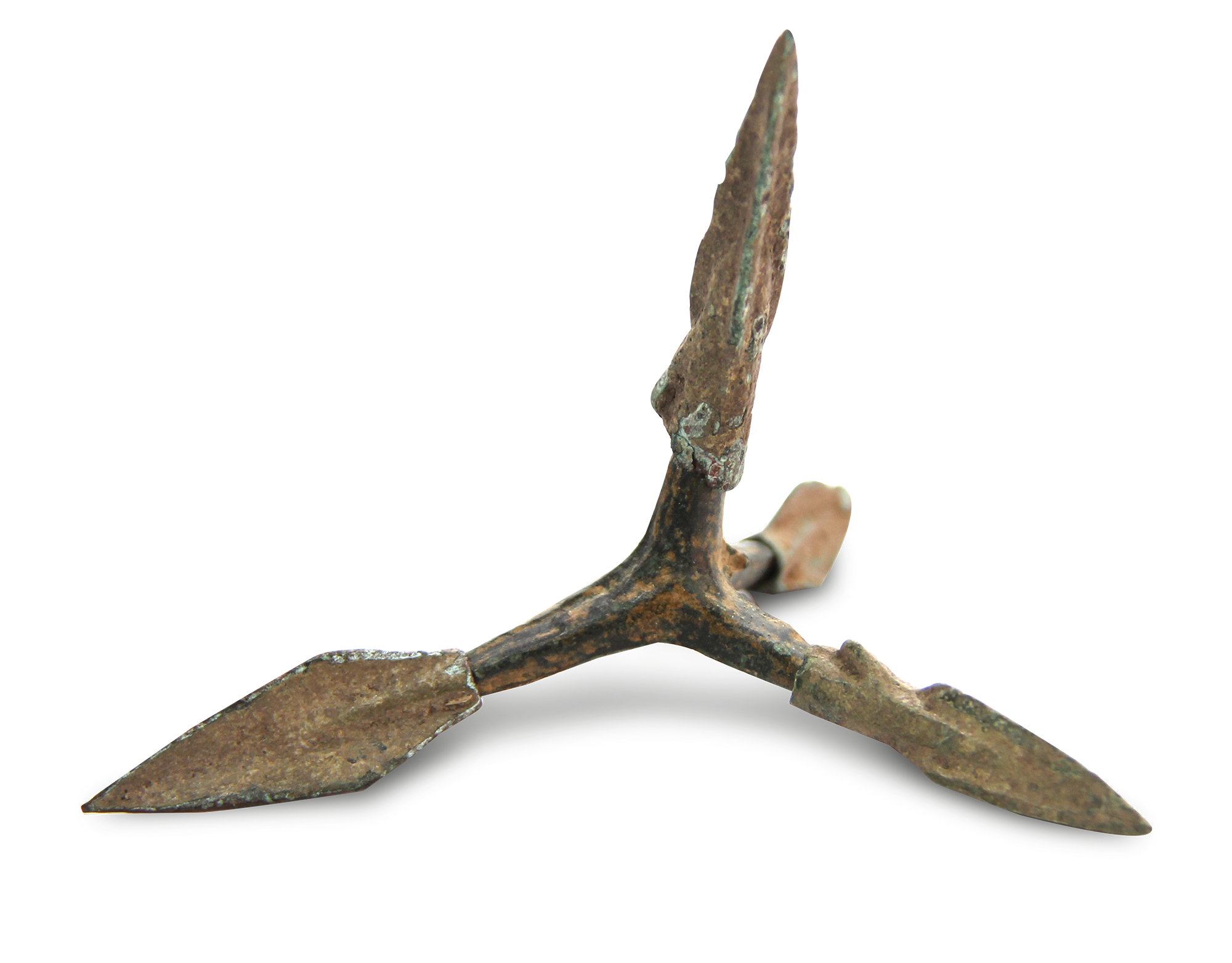

Heel-breaking nails were a combat tool often used by soldiers of the Roman Empire and were considered war crimes in later times. The reason was that the person who sank to his feet mostly caused his feet to be decapitated. In the Battle of Dardanelles, the British and French threw these nails, which were considered war crimes, on Turkish soldiers. 4 side spikes were called heel breakers, the ends of which are made in a way similar to a fishing rod and the pointed side always remained on top, no matter how it fell to the ground. These nails thrown on the Turkish soldier’s walkways caused great casualties to the soldier, as they were not noticed at nightfall. These nails, which easily passed through the shoe, broke the heel bones of the soldiers wearing sandals and injured them. These nails, which were impossible to remove without surgery, also caused kangrene. At the same time, the horses, mules and donkeys used were excluded from the war.