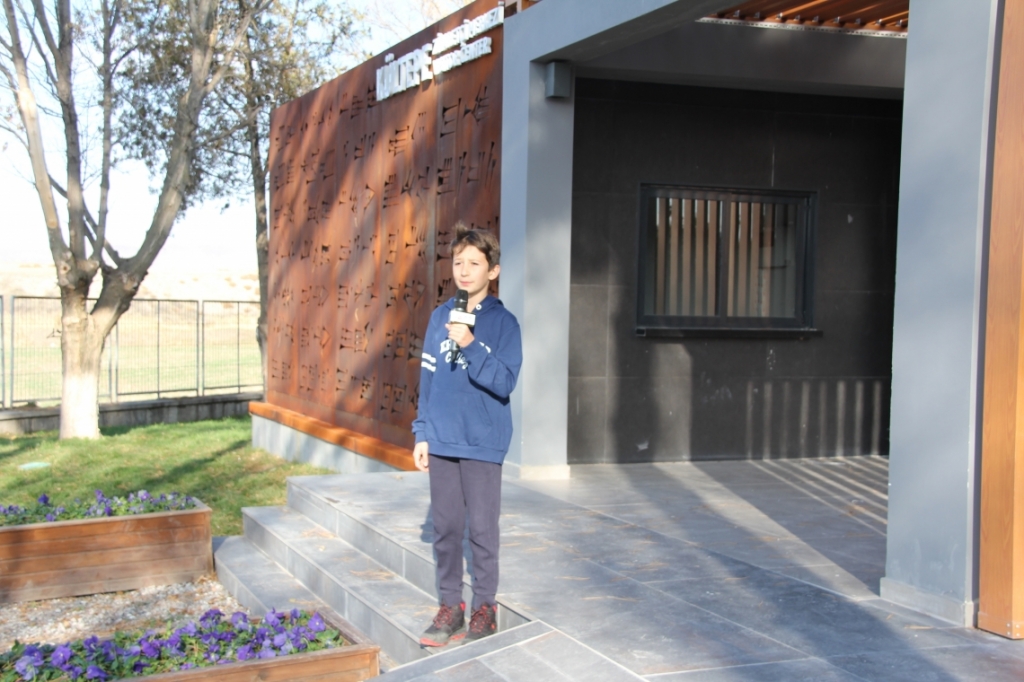
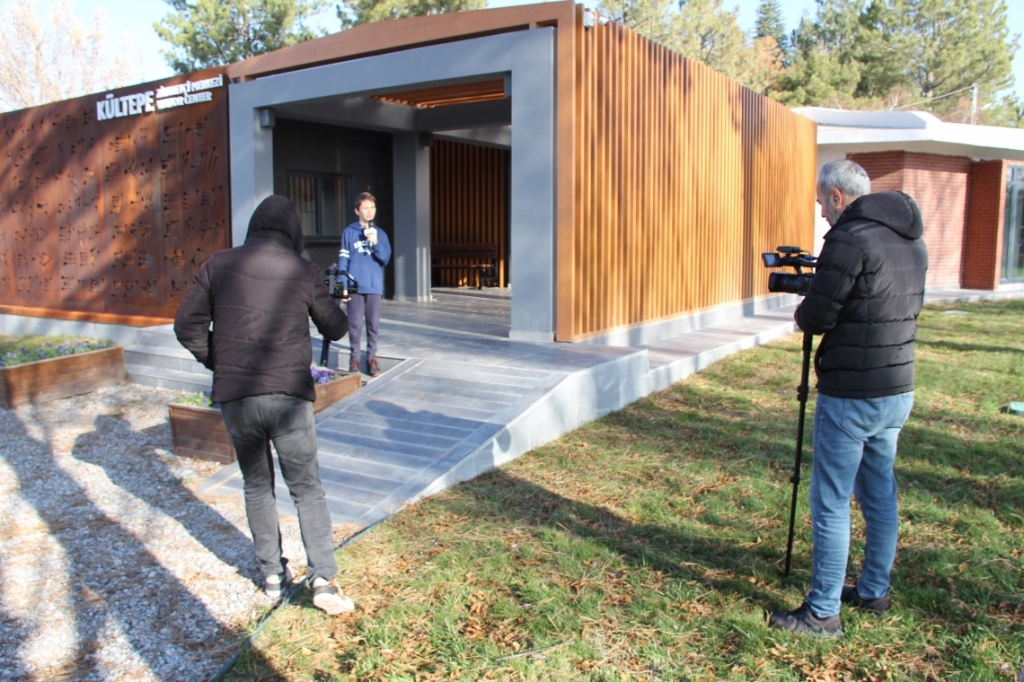
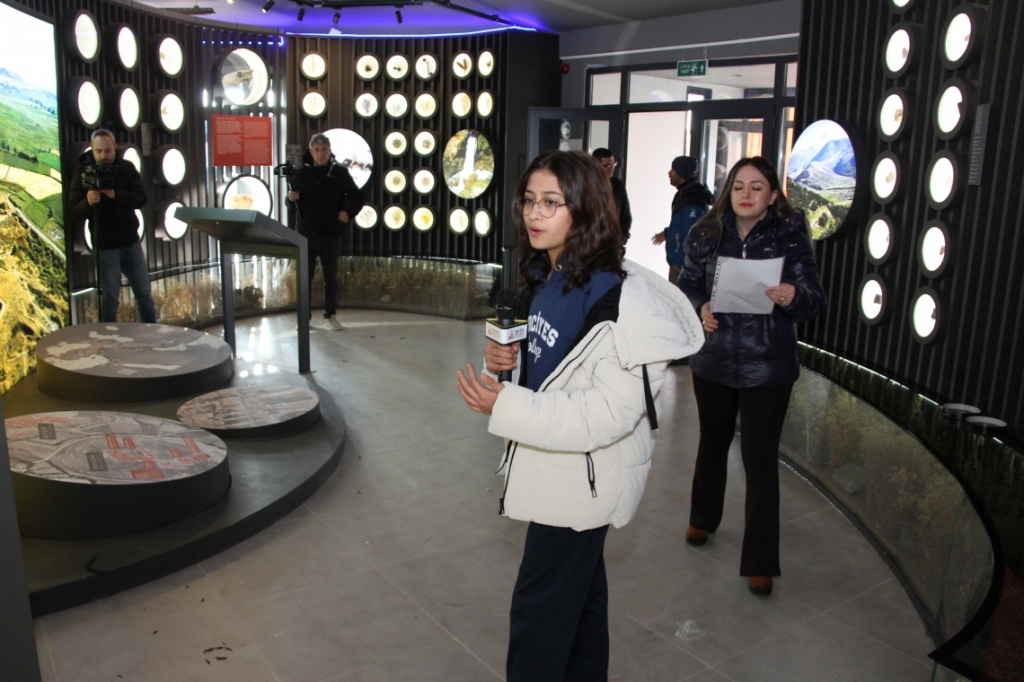
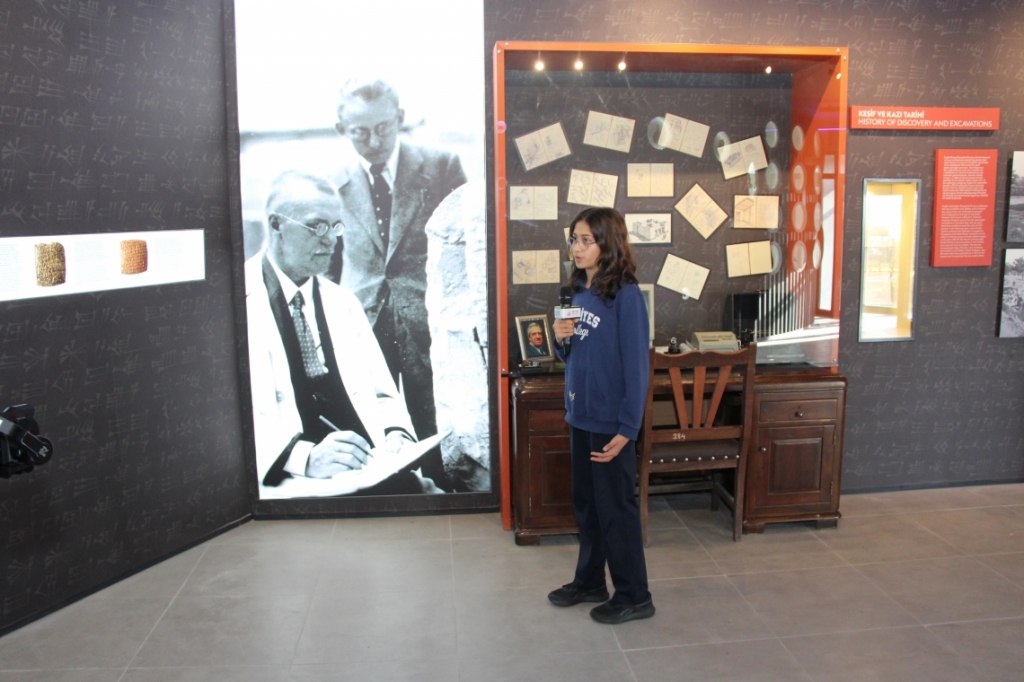
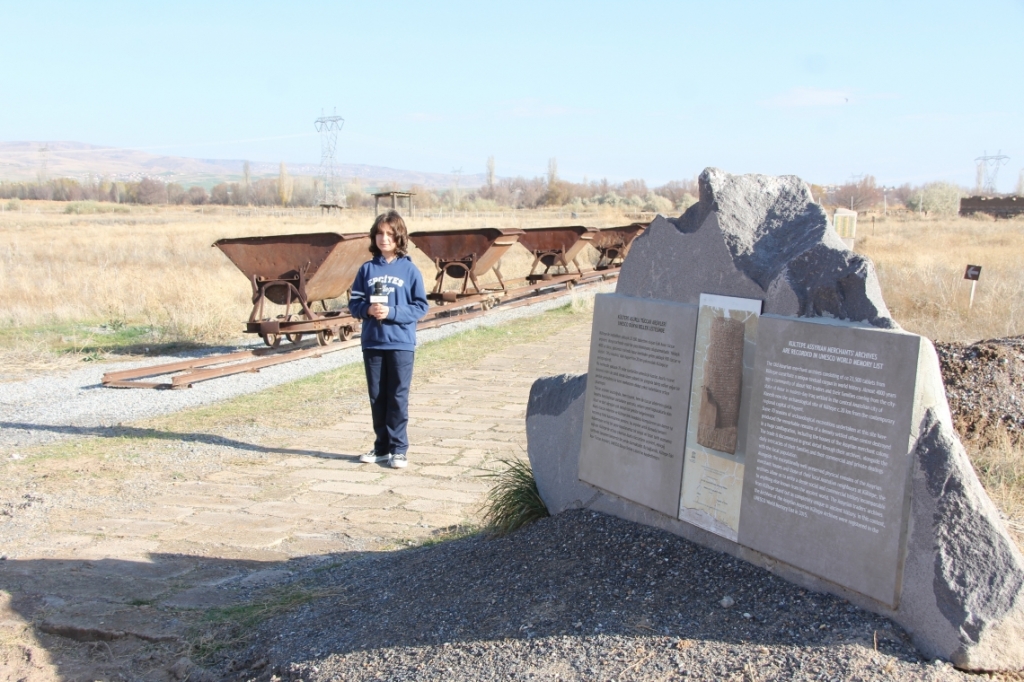
Kültepe is an ancient city and archaeological site located in Kayseri, where Kaniş Ruins were found. It has been on the World Heritage List since 2014. In addition, along with the earliest traces of Hittite language, signs of Indo-European language family have been discovered with written finds dated B.C. 20. century. Kültepe is situated to the south of Kultepe village, earlier named as Karaev or Karahöyük, which is 20-21 km northeast of Kayseri city center. İn archaeological publications it is known as Kültepe due to the fact that from a distance it looks like an ash-colored hill. In the vicinity, it is known as Karahöyük. Today, Höyük is a 20-meter-high hill settlement with 550x500 meters dimensions. Since the end of the 19.century it has seen a great destruction. So it was taken under protection with the beginning of excavations headed by Tahsin ÖZGÜÇ.
The oldest written documents of Anatolia were unearthed here in the 1800s. Thanks to the decoding of the ancient Assyrian cuneiform texts and the ongoing archaic excavations that began in 1948, the political structure of Anatolia dated before the Hittites, the existence of Assyrian merchants who had established colonies in Kultepe and near it, along with that, information about everyday life began to come to light.
From the finds unearthed during excavations it is understood that there was a settlement from the beginning of 4th century B.C. to the Roman Period. Archeologically and historically the most important settlement is Kaniş, as it was called in the Era of Assyrian Trade Colonies. Only in the Anatolian Civilizations Museum and the Kayseri Archaeological Museum there are more than 18 thousand Assyrian cuneiform tablets unearthed during the excavations carried out by Tahsin OZGUC since 1948. There are lots of tablets known as ‘Kapodokian Tablets’ in the British Museum, the Lauvre Museum and the American museum, as well.
Clay tablets and other finds unearthed during excavations reveal rich commercial relations between Mesopotamia and Anatolia dated between the 19th and 17th centuries B.C.. Consequently, this place is seen as one of the few important settlements in Central Anatolia. İt is understood that these commercial relations appeared in the second half of the 3rd century B.C., when it was time of the thriving rich city of Hatti. Kültepe is a settlement that stores very valuable information about the transition from the Early Bronze Age to the middle Bronze Age, as well as houses of the Early Bronze Age in the south of the Kızılırmak.
Anatolian people learned to read and write for the first time in Kültepe. The writing, which for the first time in the world was widely used by the Sumerians in 3200 BC, began to be used in Anatolia from the beginning of the 2nd century B.C. as a result of commercial relations. About 23 thousand 500 tablets found in the excavations of Kültepe so far constitute one of the largest collections in the entire Near East.
In the houses of merchants there were archive rooms where documents revealing their economic activities and commercial items were stored. Tablets were preserved in pots, baskets, sacks or shelves in these rooms. Business letters and promissory notes made up the largest group of tablets. Among other common documents there were court minutes, various records and lists. A less number of documents related to family law, such as marriage, divorce, adoption and inheritance, together with bills of sale of slaves, houses, plantations were found as well.
Erciyes College Social Studies Department
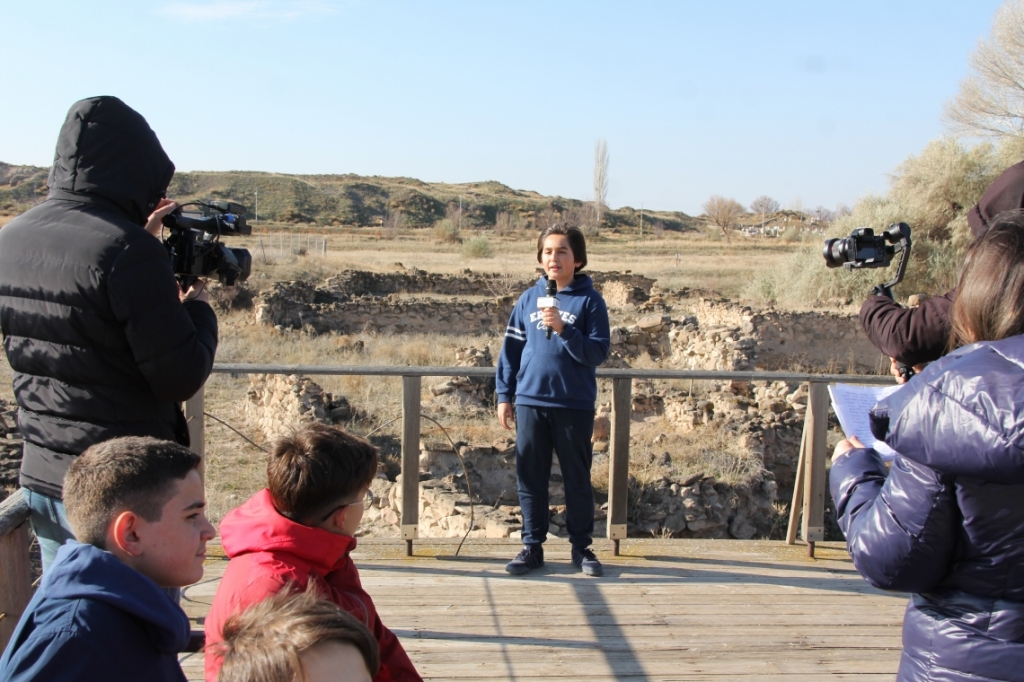
Note: Generations Gathering Project has been carried out since 2016 by the secondary school social studies department and students, as a unique work for Erciyes College. You can click to watch the video narration of this project with the comments of our students.